Category «Information»
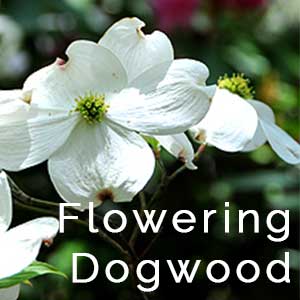
Flowering Dogwood
Cornus florida Mature Size: Commonly 20 to 30 feet tall and 6 to 8 inches in diameter The Dogwood is a small understory tree planted as an ornamental tree in urban/suburban landscapes. Flowers (white or pink) appear in mid-spring. It also produces red berry-like fruit. More than 35 species of birds and small mammals eat …
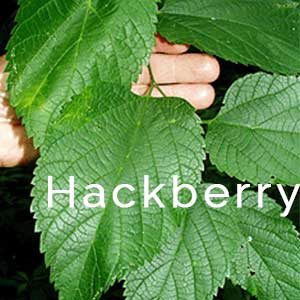
Hackberry
Celtis occidentalis L. Mature Size: Commonly 40 to 60 feet in height The Hackberry is found mainly in bottomlands and streams, although it is well adapted for use in the home landscape. It provides the homeowner with dense summer shade, but allows the sun’s rays to pass through the crown in winter. It is drought-tolerant …
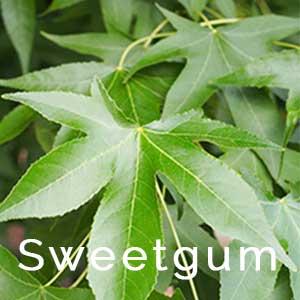
Sweetgum
Liquidambar styraciflua L. Mature Size: 60 to 90 feet in height, 2 to 3 feet in diameter The Sweetgum can be found in rich river bottoms, swamp edges, and drier uplands, providing a striking mix of yellow, orange, purple, and red fall colors. The tree is noted for its drop-spiked gum balls. It is a host …
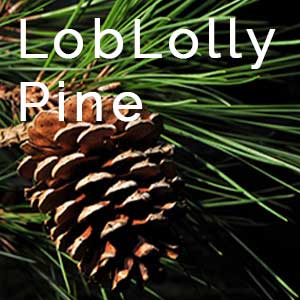
Loblolly Pine
Pinus taeda Mature Size: 90 to 100 feet in height, 2 to 3 feet in diameter The Loblolly Pine is a common southern shade tree that may be found in fields, sandy soils, or borders of swamps. This pine tree provides habitat for a wide array of wildlife, including pine warblers, deer, squirrels, quail, and …
RSVP Form Test
Invasives
Managing invasive plants in Virginia is crucial for preserving the state's native ecosystems and biodiversity. Invasive plants have the potential to outcompete native species for resources such as sunlight, water, and nutrients, leading to a decline in native plant populations. This disruption can have cascading effects on the entire ecosystem, impacting wildlife habitat, soil health, ...
Master Gardener Help Desk
Virginia Cooperative Extension – Hanover Unit is home to our Master Gardener Help Desk. Volunteers answer your gardening questions, whether it be about vegetables, turf, weeds, ornamentals, trees and shrubs, insect damage, plant disease…you name it. We provide only research-based information, and we discuss this information with the homeowner. We welcome your questions. by phone ...
Month-by-Month Gardening Chores
Although Spring and Summer seem to be the most intense times for gardening there are chores that can be done each and every month. Check out the tips below for gardening in Hanover, planting zone 7b, to extend your garden to all seasons, maintain a healthy lawn, flower beds, trees and shrubs. In addition some ...
November Garden Chores
By tending to these tasks in November, you’ll help your garden transition smoothly into winter and set the stage for a successful and vibrant garden in the following spring. Flower Beds, Trees, and Shrubs: Remove remaining dead plant material, including annuals and spent perennials. Cut back ornamental grasses. Top-dress your perennial beds with a layer …